How Technology Is Used To Enhance Learning In Classroom
 Share this article
Technology has changed over the years, and the tools students use to learn has evolved, too. This is not just for college-age students — this begins in grade school. From the preschool years, kids are growing up with technology all around them, and to keep the best and brightest students engaged, schools must keep pace with technology, while marketers will have to consider new approaches for a generation that will have online access earlier than ever before.
How Technology Has Changed in the Classroom
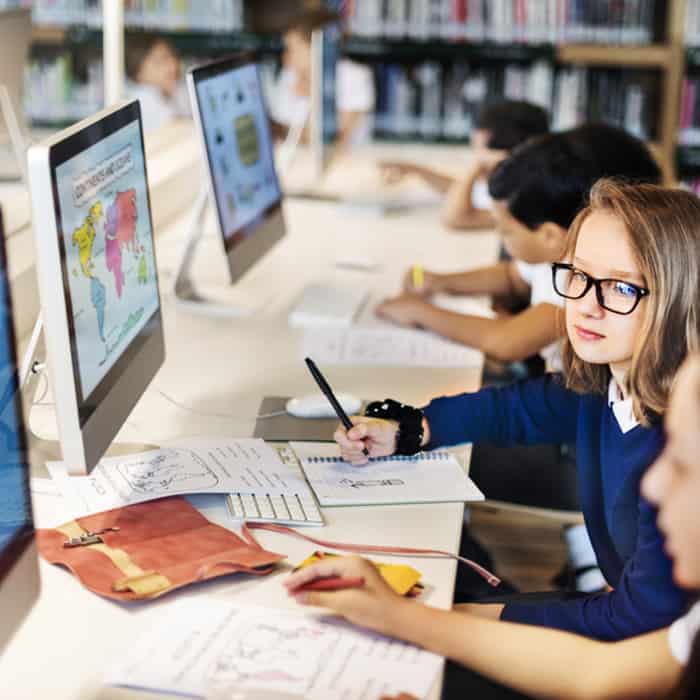
Not that long ago, four walls and the information provided by the teacher defined the boundaries of informational learning. The student of today has access to information anytime, and almost anywhere, with a laptop or smartphone, and a solid Internet connection. Take-home assignments are often more complex, and can take more time to complete, yet can be worked on while riding home on the bus, waiting for football/cheer practice to start or lounging in their rooms before bed. Students are also no longer saddled with bulky textbooks, but rather, have access to digital textbooks, continually updated with the latest information, and far less expensive for the schools and students. The role of a teacher has evolved from being a learned information conduit to a facilitator of how to learn. Many lecture in the classroom and are available for group online Q&A, and some even customize an individual online learning experience for a student with special needs or challenging advancing students with their own individual pace. Some examples of technology used in the classroom to keep students more engaged include:- Educational Games – From toddlers to adults we all like to play games and compete with one another to win. When kids play educational games they are not only learning the material but also having fun.
- Social Media – Students are using social media in their personal lives daily, so using it for educational purposes increases interest in learning. Teachers can post a subject or pose a question and initiate an online debate of ideas, allowing students to interact more and learn from one another.
- Video Streaming – If a classroom is learning how a caterpillar turns into a butterfly it’s beneficial to show the metamorphosis, and with live video streams from habitats around the world, students enjoy a real-time, first-hand experience.
- Blogging – A great way for students to share their accomplishments is blogging. Teachers also find that when students know their work will be shown publicly, they work harder, knowing their peers will judge it.
- Video Conferencing – Lectures are now available from teachers across the globe, often with the ability for students to engage with the instructor posing and having their questions responded to live over the Internet.
- Podcasts – Recording classes is great for a student that may have missed a class, yet needs to keep pace with the class, or wants to review the material from a previous lecture in preparation of a test.
- Portals – From accessing their grades online to assignment information at the touch of a button, portals provide students the flexibility they need in today’s fast-paced environment.
Benefits of Technology
One of the greatest perceived benefits with using technology in schools is that it increases the retention rates of the kids at the greatest risk of dropping out prior to graduation. The Alliance for Excellent Education and the Stanford Center for Opportunity Policy in Education (SCOPE) finds that technology – when implemented properly – can produce significant gains in student achievement and boost engagement, particularly among students most at risk.Perceived Disadvantages to Technology
Technology, though, may also have its disadvantages. Many people argue that technology is not good in the classroom, as the device students are using to learn, is also the device they use for leisure activities, creating an environment of potential distractions. The use of technology also changes the way young people communicate. Many children, teens, and even young adults, struggle in social situations that require healthy interpersonal communication skills, being more comfortable with texting or email. Many teachers also argue that technology negatively impacts creativity, and allows students to become reliant on their devices for deep thinking. As such, these teachers are reluctant to utilizing technology in their classrooms.The No-so-Great Digital Divide
The digital divide referred to here is the gap between students that have access to the technology needed to perform at a high level, and those that do not. Although technology has been slow to help “at risk” students stay in school, it also can be another deterrent for staying in school when they can’t keep pace because of their lack of access. Lower income and rural areas are not getting the access they need to technology, primarily due to cost. Households with incomes greater than $75,000 are more than 20 times more likely to have Internet access than households in lower income brackets. So, what is being done to bridge the gap? The federal government has pledged to offer lower cost phone service to these areas so technology is more available, and nonprofit organizations are developing and implementing programs to collect old computers, refurbishing them, and distributing to schools with the greatest need. Other organizations are focusing their efforts on the teachers, helping to lower or eliminate their fears concerning introducing technology into their classrooms. But so much more can be done. Technology is impacting all aspects of our lives, and livelihood, and those that have access to it and the willingness to embrace it will be positioned well to succeed in school and the job market ahead. Receive the latest industry insights from the evōk team in your inbox by signing up for the evoker, our monthly newsletter or contact us to explore ways we can partner.Destination marketing in practice

Dedicated to providing relevant, high-quality education opportunities at an affordable price and on a flexible schedule, Marion County Community and...

Providing convenient, affordable, and efficient solutions for pet waste management, DOGIPOT® has helped keep pet-friendly areas, communities, and public spaces...
MORE DESTINATION MARKETING INSIGHTS