
Patient Portals: Simplifying the Healthcare Experience
 Share this article
The future of healthcare is here and it’s putting patients in the driver’s seat. Patient portals are one of the most rapidly growing trends in the healthcare industry, allowing patients to access their records, schedule appointments and even request a prescription refill online.
With 93% of hospitals now allowing patients to access their health records online, it’s no surprise that smaller institutions are feeling the need to start utilizing portals themselves. Although portals are popping up left and right, many patients are still in the dark. A lack of both patient education and effective portal marketing can make your new initiative counterintuitive if its designated users don’t know it exists or how it could help them.
From 2018 to 2023, the patient portal market is expected to grow 15.37% CAGR. This means that your healthcare center needs to have and to properly hold one of its very own in order to keep up. Whether you still need convincing on why a patient portal may be right for your healthcare center or need to maximize marketing on your existing portal, it’s important to know the benefits to both patients and practices alike.
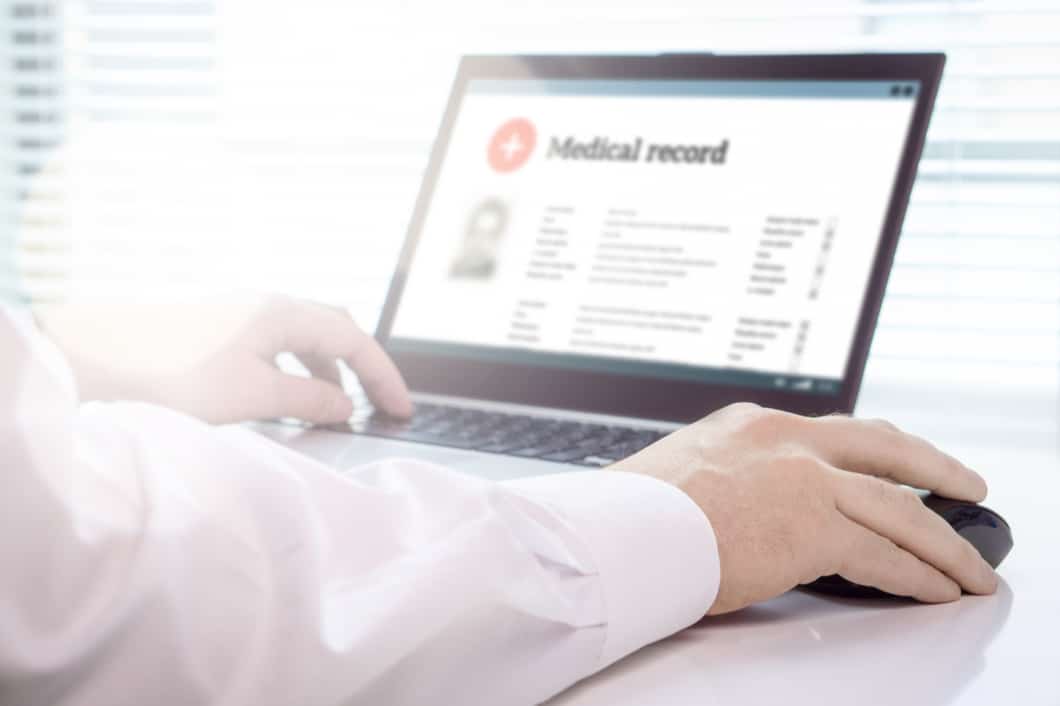 The proof is in the portal, but having one is just the first step in streamlining your healthcare center’s operations. Nearly 40% of patients are unsure if they have access to their lab results online and only 50% are actually using their portal, which signals a huge need for designated portal marketing. Portal education can be a large player in making your patients aware and getting them involved, but you’ll need to know how to get the ball rolling.
What a Patient Portal Means for Your Healthcare Center
Simplifying the patient’s experience
Patient satisfaction matters, and there’s evidence that patient portals are delivering. A study by the American Health Information Management Association (AHIMA) found that patients responded well to the access given by portals. Whether they were viewing their records/making appointments while traveling, seeing multiple providers or relaxing at home, 38% said that they were satisfied, while 53% stated they were very satisfied. Doctor-patient relationships are built on trust and communication—patient portals add a new layer to this relationship. Empowering patients with the ability to download their medical records, schedule appointments and refill their prescriptions online gives those patients a voice in their healthcare. Plus, equipping your patients with the tools to make informed and concrete decisions can even help to alleviate those decisions from being a part of your staff’s duties.Simplifying the practice’s experience
Give your patients what they want and encourage them to use it. And what they want is the knowledge to make better healthcare decisions, which is why 47% of adults desire access to the health information of themselves and their families online. This is where your patient portal comes in. By giving attention to the needs and wants of patients, countless healthcare centers have found simplification in costs and efforts. Portals have helped with reducing the amount of phone calls needed for scheduling and the instances of patients failing to show up to their scheduled appointments. Many clinicians have also reported receiving payments quicker and cutting costs through paperless billing via patient portals.Marketing Your Patient Portal
The proof is in the portal, but having one is just the first step in streamlining your healthcare center’s operations. Nearly 40% of patients are unsure if they have access to their lab results online and only 50% are actually using their portal, which signals a huge need for designated portal marketing. Portal education can be a large player in making your patients aware and getting them involved, but you’ll need to know how to get the ball rolling.
Information, on hold
If patients haven’t already started using your portal, they’ll still be scheduling appointments and requesting information the old-fashioned way – by telephone. While you’ve got them on the line, use the opportunity to inform them about a system designed to eliminate the hold they’re being placed on. For example, if a caller uses the directory to refill a prescription, you could play an automated message that explains that specific function of the portal, which will make them understand how relevant it is to their needs.Use your most trusted source
Patients have to trust their doctors in order to have a good relationship. If patients will try a new diet, start a prescription regimen and drop an unhealthy habit based on their doctor’s recommendation, they’ll certainly be willing to give your portal a shot, if suggested. Encouraging your physicians to endorse your portal is a great way to make sure that the information is given to patients in a way that they’ll feel is resourceful. Talking with your doctor can sometimes be a lot to take in, but your portal can allow doctors to upload their personal notes and instructions for patients to use post-visit. Highlight those kinds of features when promoting it to your doctors and they will become your portal’s newest champion. Chris LeBlanc, evok’s VP, creative director and healthcare category captain weighs in, “With the advancements of technology and accessibility available to patients, we will see a significant shift in the way they communicate with their healthcare providers. This increase in communication will be key to better patient outcomes. Communication channels, like patient portals, will allow for better interactions, better tracking and better goal planning for long-term care. As a marketer, knowing the importance of numerous touch points to increase engagement is pivotal to creating a closer experience to your audience. It is exciting to see this growth in healthcare.”Make your office the gateway to your portal
Patient portals can do just about anything, but they can’t substitute an actual doctor’s visit. Most patients will make an office visit at least once a year, so catch their eyes where you know they’ll be looking. Having some literature around the office regarding your portal can be highly beneficial to promotion. It gives patients something to read while they wait for their visit, and it puts them in the right space to ask any questions that they may have about it. You can use these handouts to both list the benefits of your portal and give patients a step-by-step guide to getting set up. If you really want to ensure that patients are both aware and engaged, you can even consider setting up a computer or tablet kiosk in the waiting room so that they have the ability to register in-office.Educate in every nook and cranny
If you think you’ve run out of ways to plug your portal–you haven’t. Every patient interaction is a chance to educate, so take advantage of all the ways in which you keep them informed for other things. When sending out annual appointment reminders in the mail or via email, include a notice about your portal. For those patients who haven’t signed up for paperless billing through your portal, include a notice in their next mailing that they can streamline the process online. There should be an entire page on your website dedicated to your portal and plenty of notices around the office to teach patients about the system created especially for them.Partner with an agency that knows all things healthcare
If you really want to maximize the effect of your patient portal marketing, partner with an agency that understands what it means to work with patients and their trusted healthcare centers. An agency can not only help to market your portal, but it can let you know how well your advertising is working and where it is performing best. Advertising agencies are an investment, but their ability to find the most significant source of branding will help to eliminate extra costs and focus your capital on solutions that work. You know your patients better than anyone, and you’ve worked hard to earn their trust. Show your patients that you take your relationship seriously and that you want the best for their health and wellbeing by promoting education on the technology designed with them in mind.Destination marketing in practice

Providing convenient, affordable, and efficient solutions for pet waste management, DOGIPOT® has helped keep pet-friendly areas, communities, and public spaces...

Evok was selected to redevelop VisitElizabethCity.com, transforming an outdated, content-heavy tourism website into a modern, visitor-focused destination platform. Built originally in...
MORE DESTINATION MARKETING INSIGHTS